
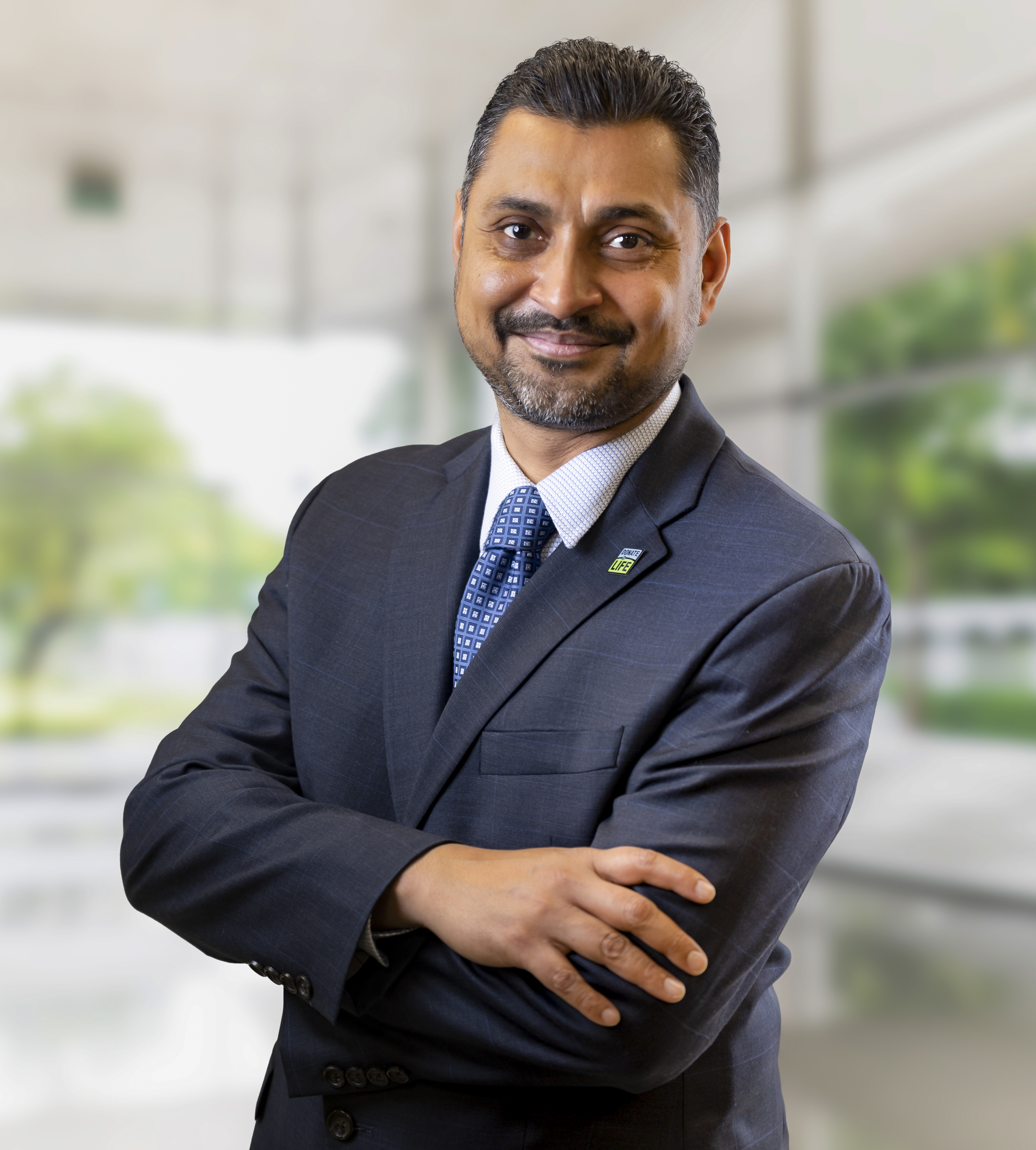
Aninda Dutta serves as the Senior Vice President of Data and Organizational Strategy at Donor Network West. Aninda has more than 20 years’ experience in the field of Data and Information Systems and over 15 years’ experience in leadership roles across the healthcare domain. Aninda came to Donor Network West in 2018 as an experienced leader with a demonstrated history in healthcare data analytics and a proven track record of driving business efficiency and profitability by leveraging experience and expertise in Information Systems and leadership. Prior to joining Donor Network West, he served as the head of Information Systems at a large health insurance organization. There he worked to successfully navigate the major disruptions in the health insurance industry because of the Affordable Care Act and other electronic transformations. At Donor Network West, he oversees Data and Strategy which includes Data analytics, Reporting, Automation, Data integration and Business operation and strategic growth. Since joining Donor Network West, his work on data and strategy has helped the organization substantially increase organ procurement and placement performance resulting in saving hundreds of more lives. He is also helping Donor Network West as well as the overall organ procurement industry with his work on advocating for policies and performance metrics improvement to better serve our communities.
Aninda holds a master’s degree in computer science. Aninda is also a Fellow of the American College of Healthcare Executive (FACHE), the gold standard of healthcare leadership.
The role of AI in organ procurement organizations: Building socially responsible AI tools to improve outcome while bridging disparities
Aninda Dutta1, Janice Whaley2.
1Donor Network West, San Ramon, CA, United States; 2President & CEO, Donor Network West, San Ramon, CA, United States
Purpose: Non-profits such as Organ Procurement Organizations (OPO) by and large don’t create software tools. It’s not our strength. But we do have huge amounts of data and we can be using that data, applying data science and AI-ML to gain insights to drive social impacts. So, we should not lose sight of the good that we can do. However, in doing so, we must make sure any tools we are developing to augment decision making or work process is developed using ethical considerations.
Presentation Outline: The presentation will outline how we went about building a Machine Language tool that is currently in use and has improved our outcome in organ donation. It will guide the audience through all the ethical considerations during the build process to making sure the final product is socially responsible. It will also provide the audience with leadership perspective and the role leaders play as they think of using AI in their organization. Finally, we will showcase how this tool has helped us bridge disparities as we continue our journey in closing gaps.